Best Industrial Uses of Rare Earth Elements: 2026 B2B Buyer’s Guide
Hold a small NdFeB (neodymium-iron-boron) magnet near your workbench. It doesn’t just snap. It practically tries to punch its way through your hand to find…
Read the article →Explore all 118 chemical elements. Read clear explanations, compare properties and put chemistry into practice.
Useful explanations, worked examples and tools to try next.

Hold a small NdFeB (neodymium-iron-boron) magnet near your workbench. It doesn’t just snap. It practically tries to punch its way through your hand to find…
Read the article →
You’re standing at the bench, spatula in hand, trying to weigh out exactly 15.0 milligrams of a pricey palladium catalyst. The draft shield is securely…
Read the article →
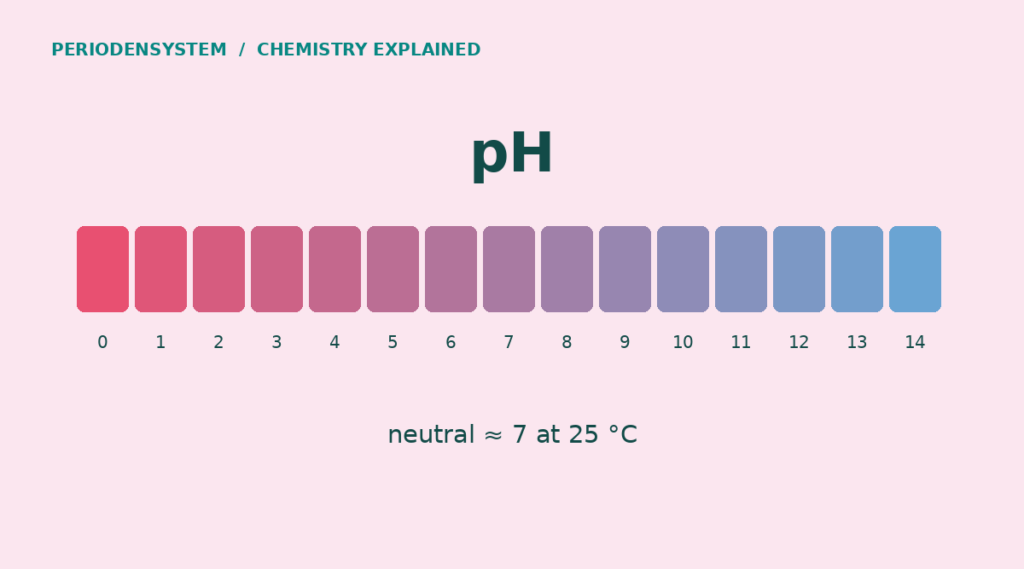
Connect proton transfer with logarithms, temperature, acid strength and carefully stated pH approximations.
Read the article →
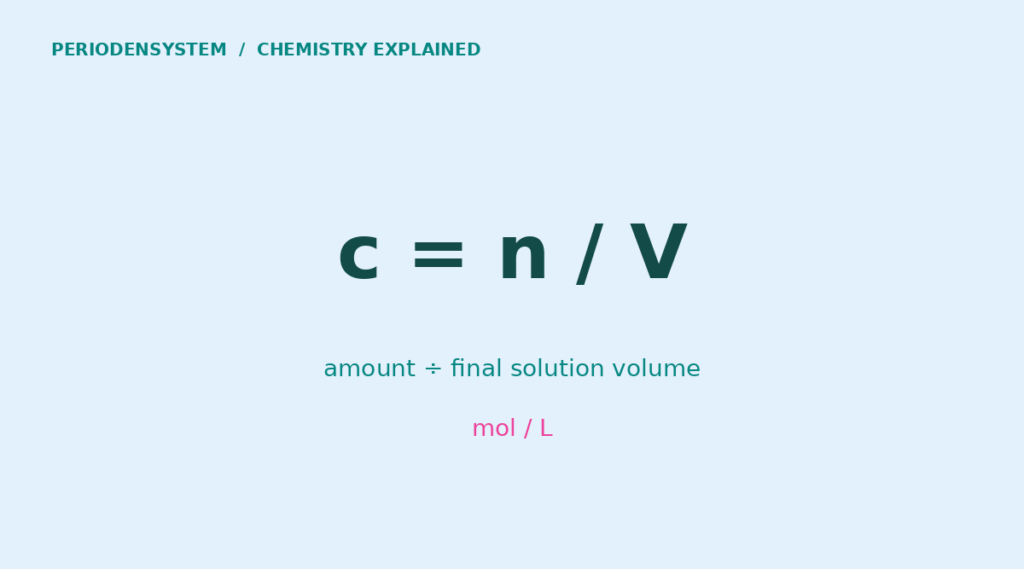
Use final solution volume, conserve solute amounts and distinguish molarity from other concentration units.
Read the article →
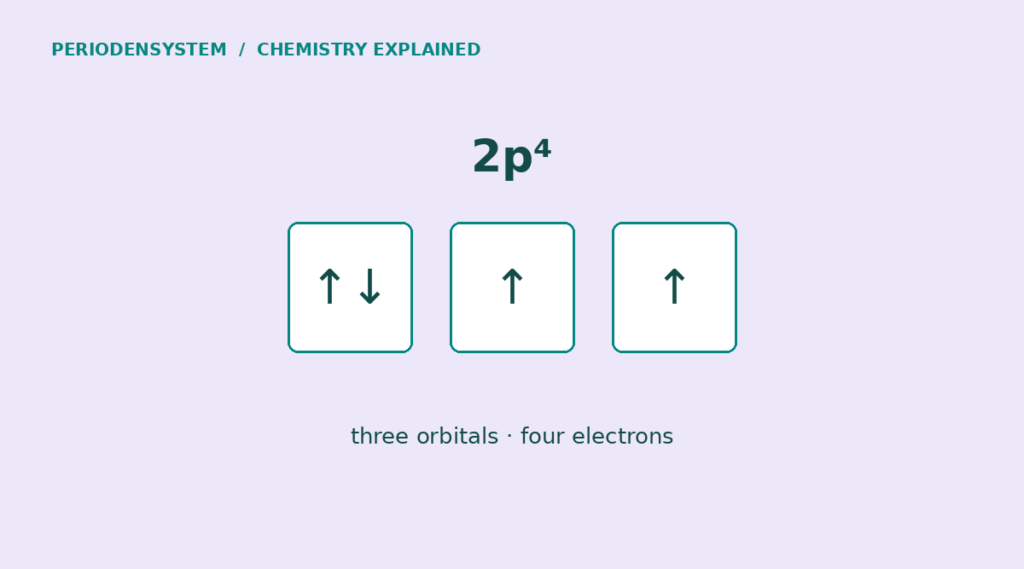
Read electron configurations, check ion counts and understand where the simple filling sequence needs care.
Read the article →
Convert grams, moles and particle counts, then use balanced equations without confusing amount ratios with gram ratios.
Read the article →
Balance formula and ionic equations with atom inventories, worked examples and a final charge check.
Read the article →
Understand the reasoning behind the arrows, and learn where simple trend rules need qualifications.
Read the article →
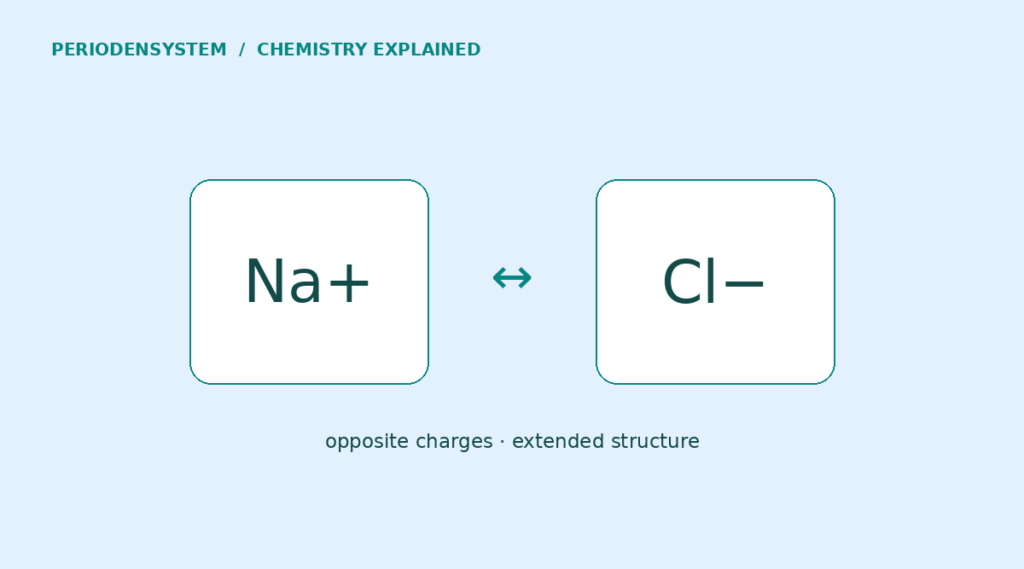
Use sodium chloride, water and diamond to connect bonding with structure and properties.
Read the article →
Count atoms correctly and check three calculations, from water to calcium nitrate.
Read the article →Find an element and open its detailed reference.